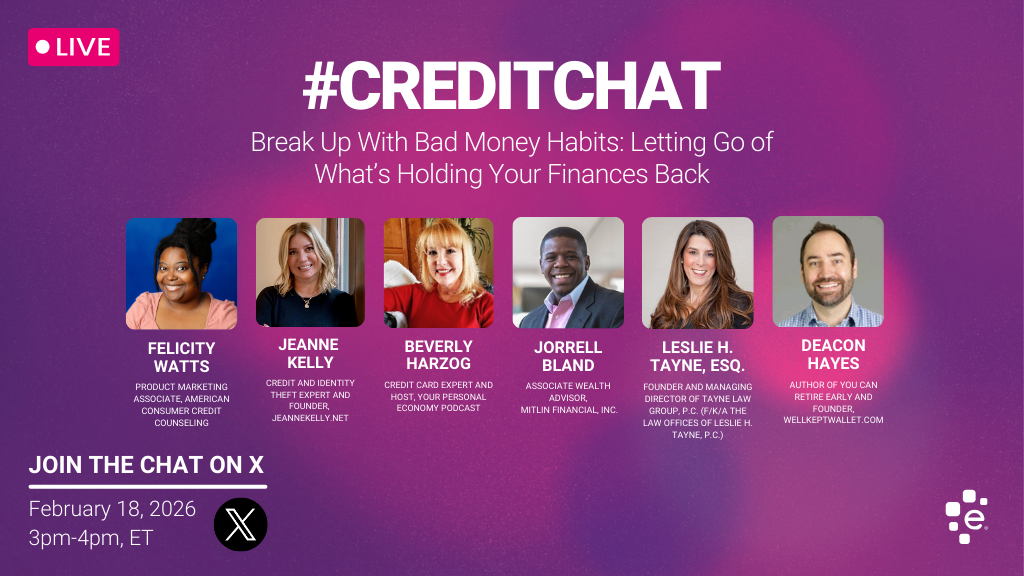
Bad money habits are rarely about math.
They are about emotion.
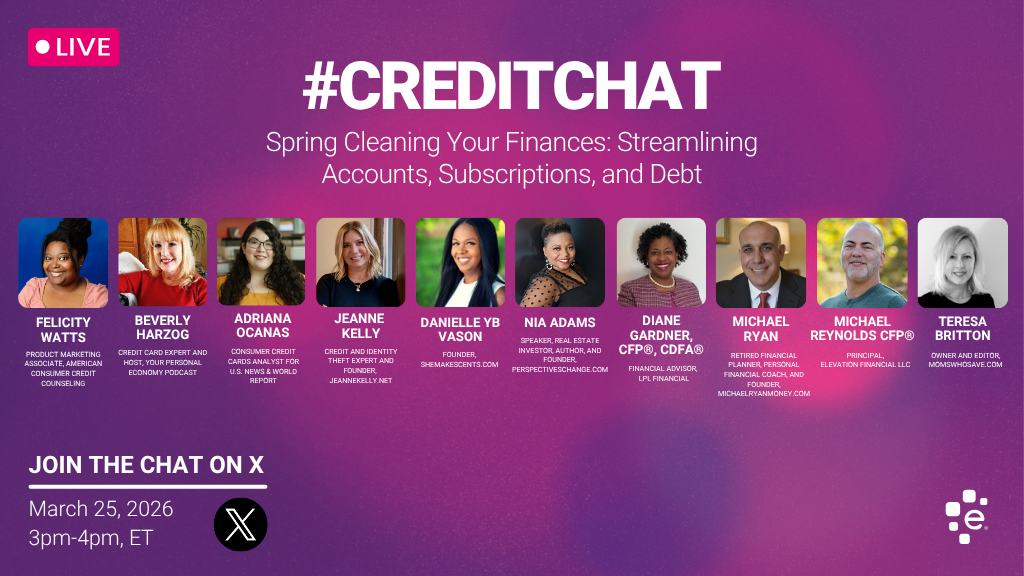
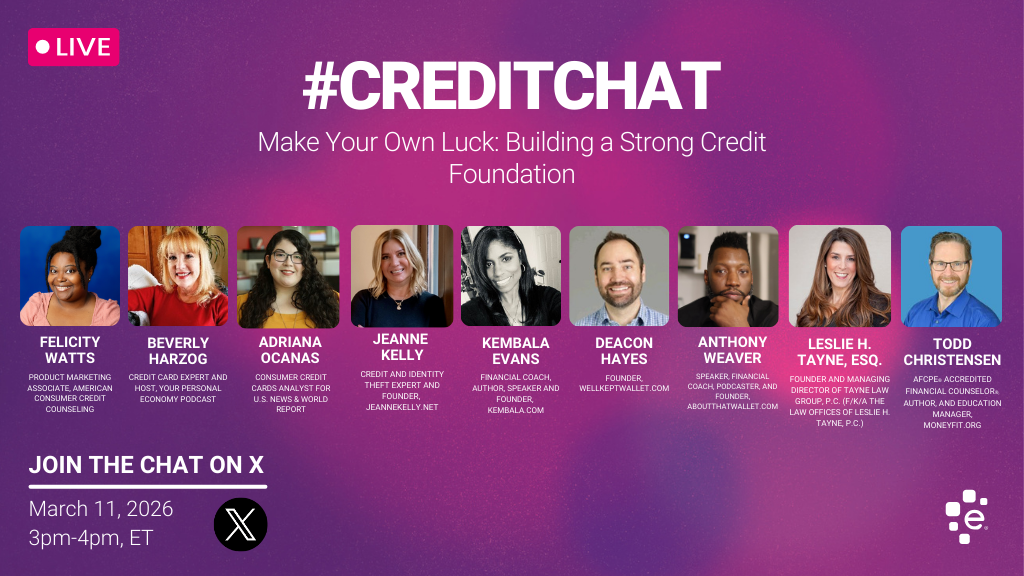
This week on #CreditChat, we talked about how emotional spending, financial avoidance, and lack of money education keep people stuck in unhealthy financial patterns. If you’ve ever felt overwhelmed by your finances or frustrated with your credit score, this conversation was for you.
Let’s break down what really holds people back and how to start building healthier money habits today.
The Most Emotionally Driven Money Habit: Avoiding Your Finances
One of the biggest financial habits that hurts credit health is avoidance.
For years, I avoided looking at my numbers. When you don’t check your balances or review your credit report, you don’t feel the stress immediately. But that silence becomes expensive.
Financial avoidance leads to:
• Missed payments
• High credit card balances
• Growing interest charges
• Lower credit scores
The moment you open the statement, log into your credit monitoring app, or check your balances, you take your power back.
Awareness is the first step to improving your credit score.
Financial Mistake vs. Money Habit: What’s the Difference?
Everyone makes a financial mistake.
A habit is repetition.
If you don’t know where your money is coming from or where it’s going each month, that’s not a one-time slip. That’s a pattern. And patterns directly impact your financial future.
Building better credit starts with:
• Tracking spending
• Monitoring your credit report
• Paying accounts on time
• Keeping balances low
You cannot improve what you refuse to measure.
How Fear, Guilt, and Shame Hurt Your Credit
Many people struggle with credit repair and money management because they were never taught how credit works.
That lack of education turns into fear and shame.
When you feel embarrassed about debt or confused about credit scores, you avoid fixing it. But the truth is simple:
You are not bad with money.
You were never shown the system.
Once you understand how payment history, credit utilization, and account age impact your credit score, you move differently. Education removes fear.
Emotional Spending: The Most Common Toxic Money Habit
The most common unhealthy money habit is emotional spending.
We reward ourselves when we’re stressed. We celebrate with purchases. Social media scrolling makes spending effortless with one-click buying and buy-now-pay-later options.
It feels good in the moment.
But long-term financial freedom feels better.
If you want to improve your credit and build savings, start small:
• Open a high-yield savings account
• Set automatic transfers
• Reduce credit card utilization
• Pay more than the minimum when possible
Discipline is not punishment. It is self-respect.
How Modern Tools Affect Your Credit Behavior
Credit cards, online shopping, and mobile apps make spending invisible.
When I was focused on paying off debt, I used cash because it created a pause. That pause prevented impulse purchases and helped lower my credit utilization ratio, which makes up approximately 30 percent of your credit score.
Sometimes small boundaries protect big financial goals.
The Question That Keeps Your Money Habits in Check
Ask yourself this regularly:
Does this decision move me forward or keep me stuck?
Your habits either build wealth or build stress. The choice compounds over time.
Is It Too Late to Fix Your Credit?
Absolutely not. Improving your credit score and breaking unhealthy financial patterns is possible at any stage of life.
Your past financial decisions do not define your future credit profile.
Your next decision does.
Final Thoughts: Build Strong Credit With Intention
Breaking up with bad money habits is not about shame. It is about awareness and intention.
Healthy credit is built through:
• On-time payments
• Low balances
• Consistency
• Education
• Accountability
And most importantly, showing up for yourself financially.
If you’re ready to stay connected to your credit, monitor your progress, and build strong financial habits in a supportive space, the Credit Boss Lady app was created for exactly that.
It’s not just about your credit score.
It’s about confidence, clarity, and long-term financial growth.
Keep it glowing,
Jeanne Kelly